Process & Development
An insight into my design process, from initial research and concept development through to final production. This showcases the iterative nature of textile and fashion design, including sustainable practices.
Pattern Development Workflow
My approach to textile pattern design follows a systematic methodology, moving from concept through iteration to final product application.
Research & Inspiration
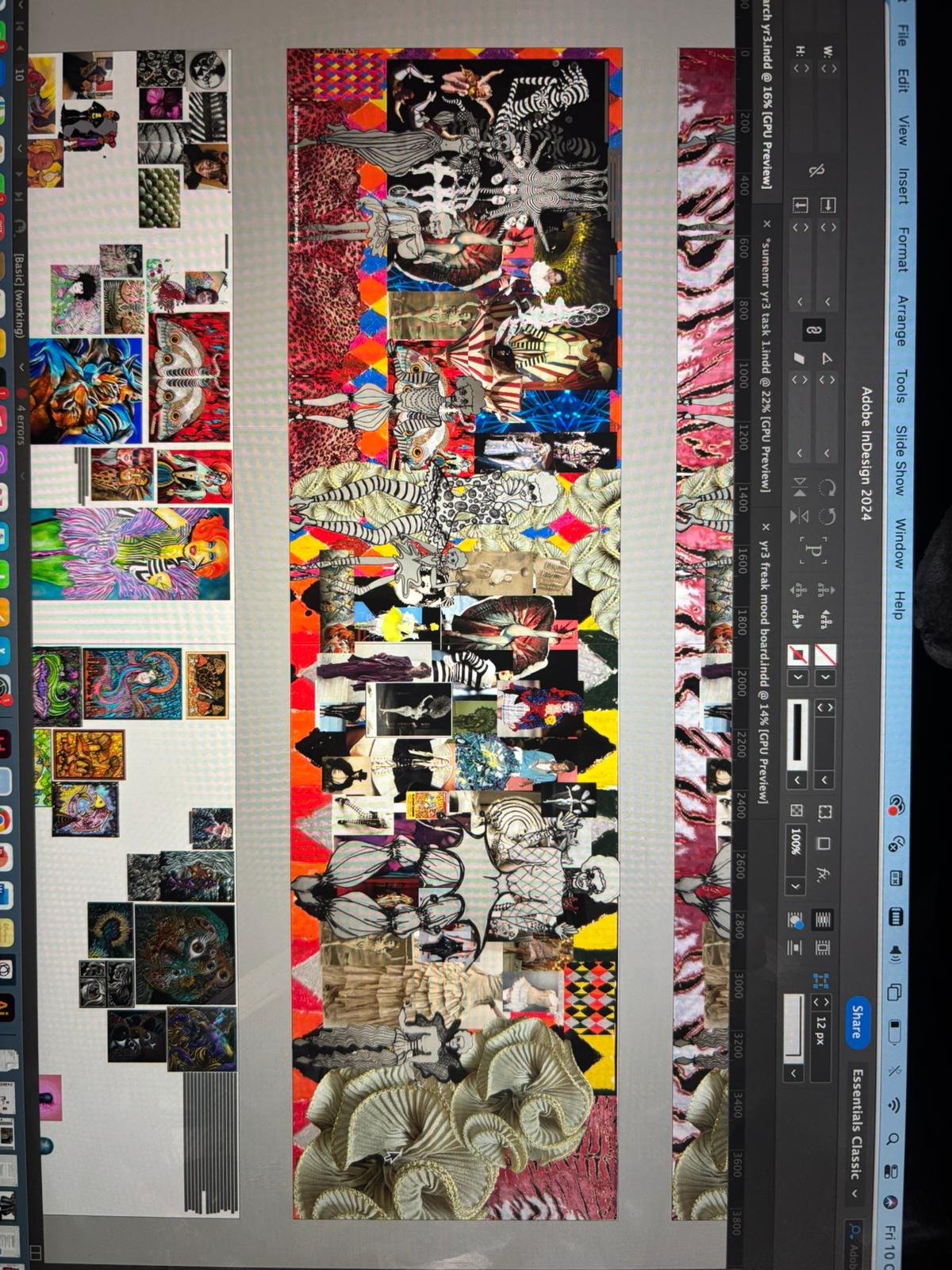
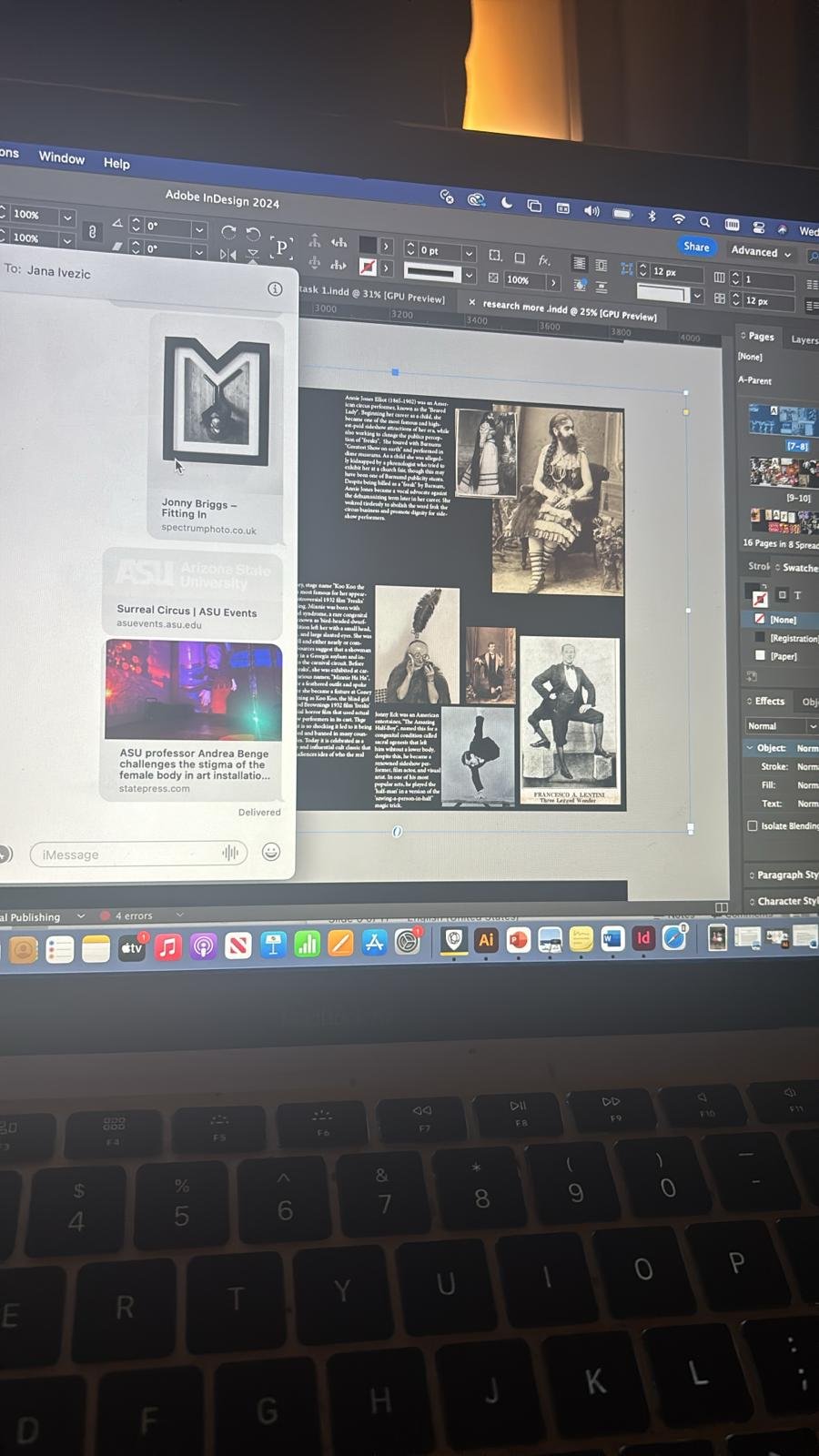
Every project begins with extensive research into materials, historical references, and contemporary trends. I gather visual inspiration, create mood boards, and explore color palettes that inform the design direction.
Key Activities
- • Mood board creation
- • Material sourcing and swatching
- • Trend analysis
- • Historical textile research
- • Natural form studies
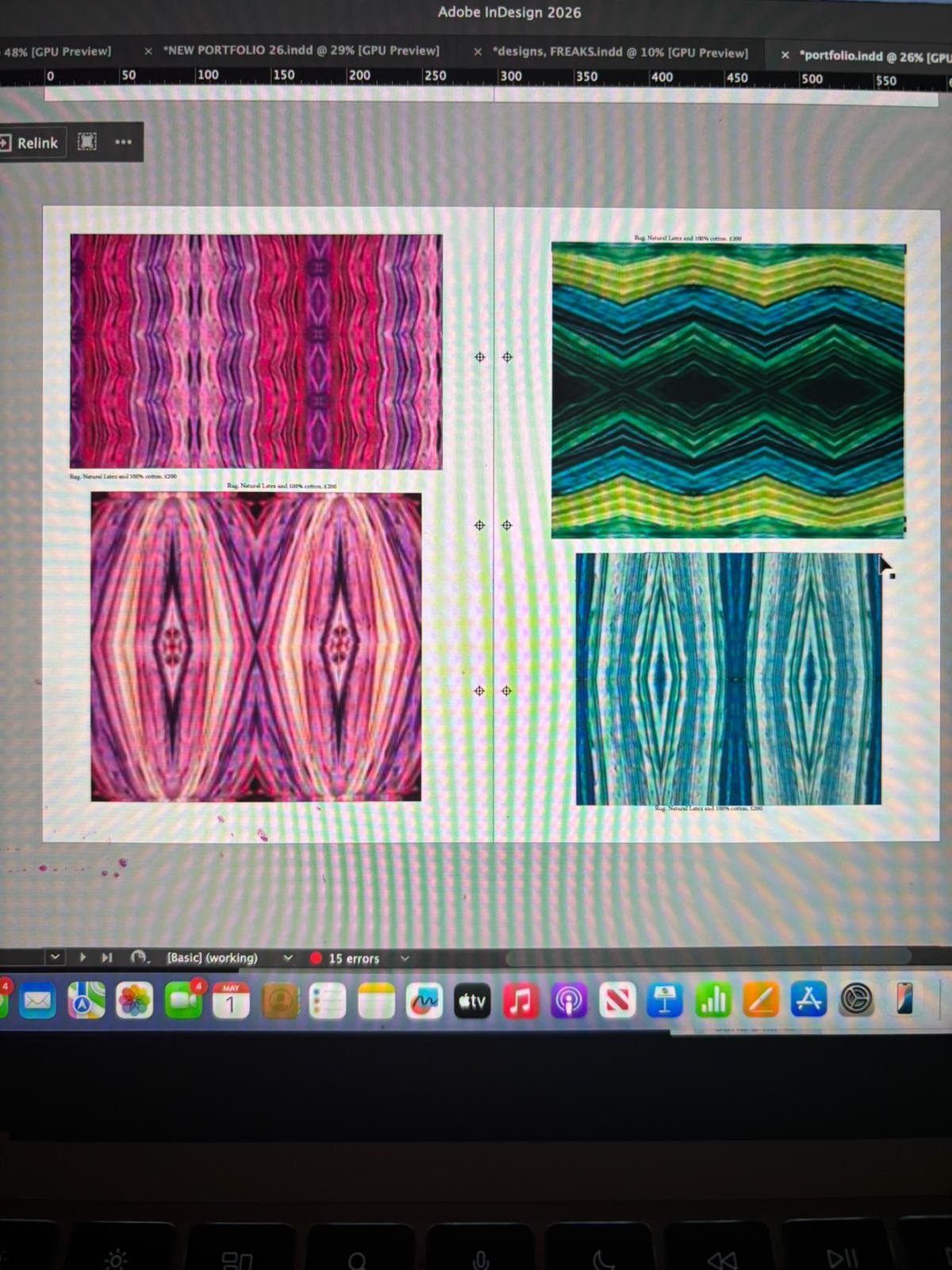
Concept Development & Digital Design
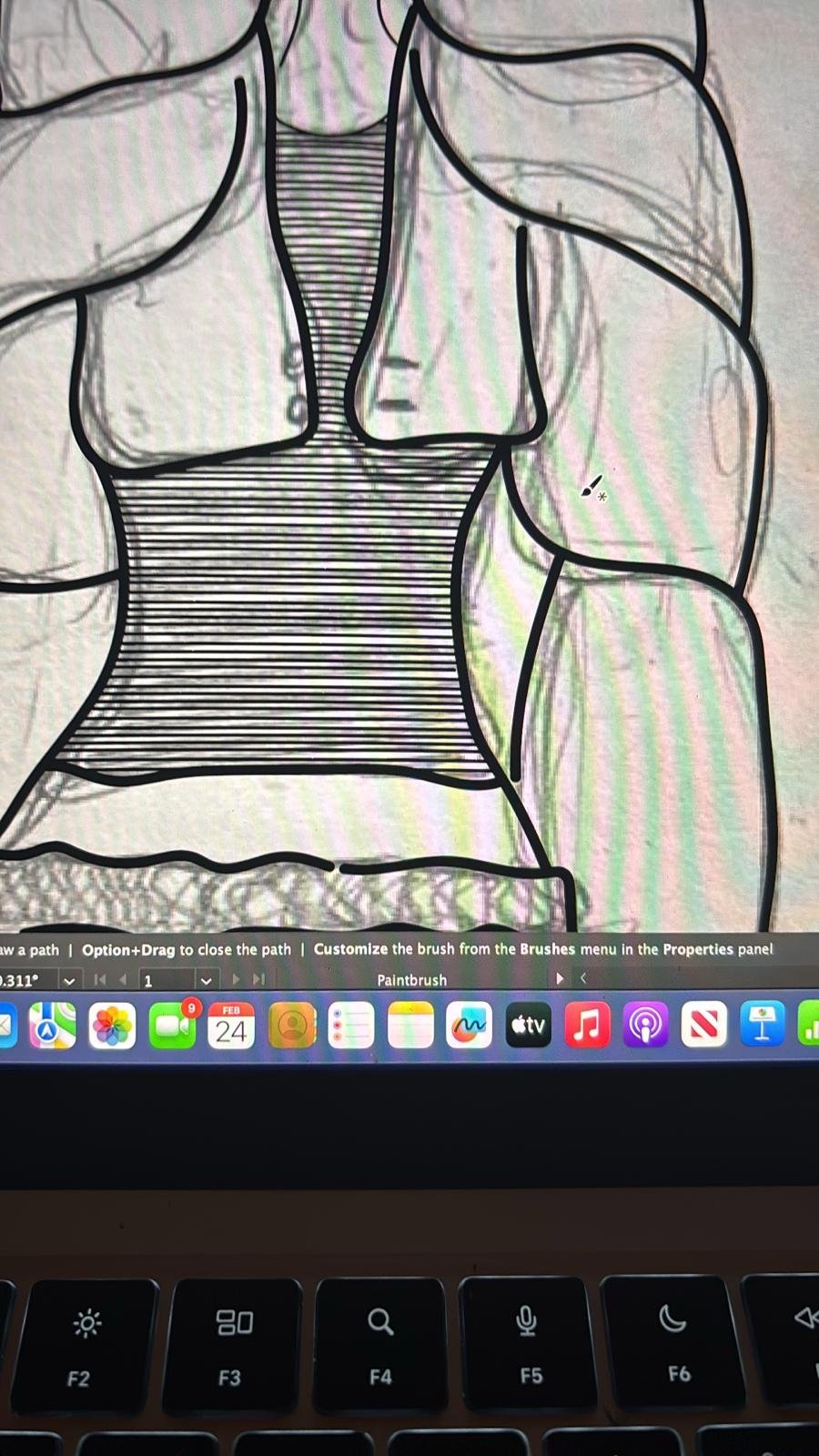
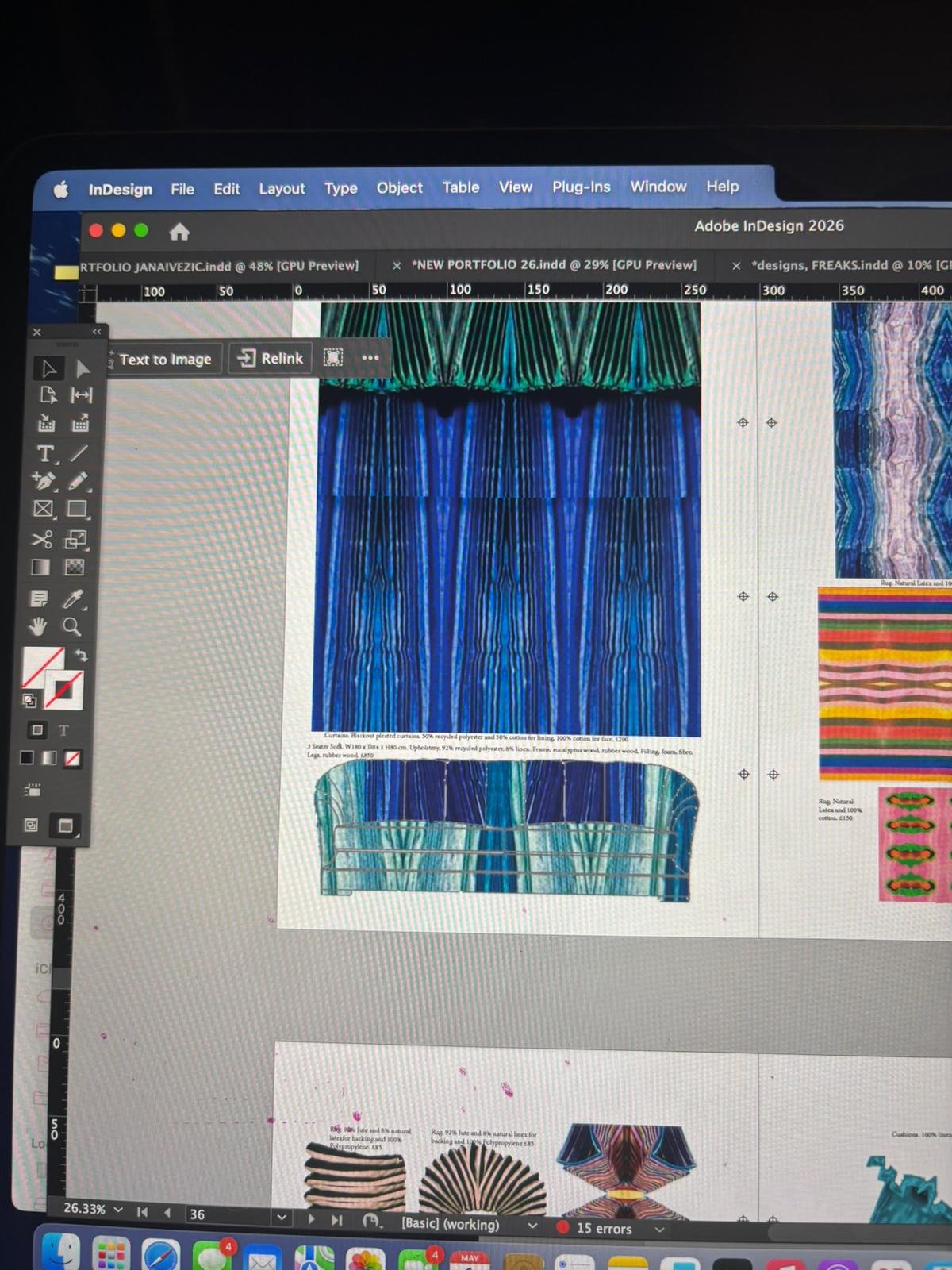
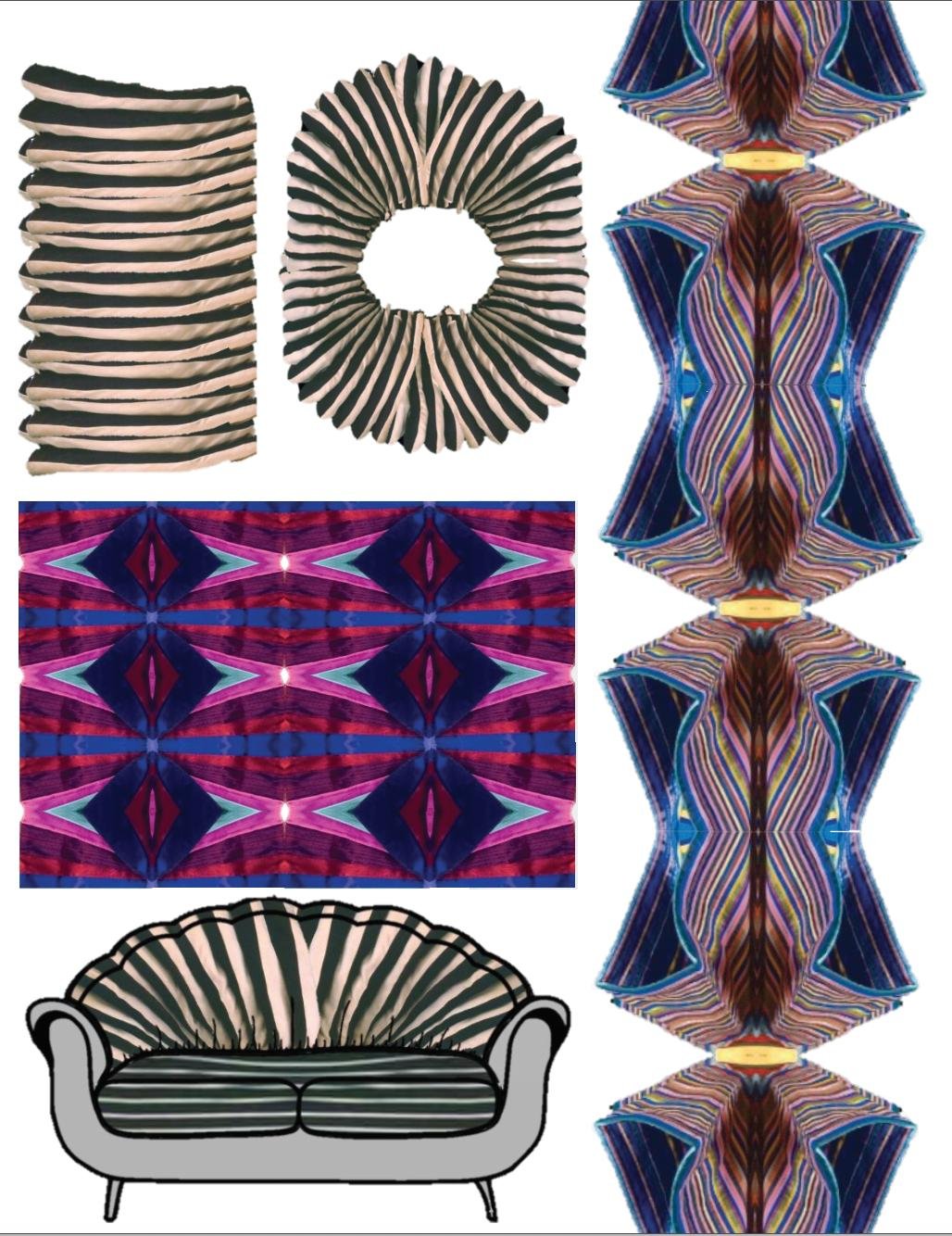
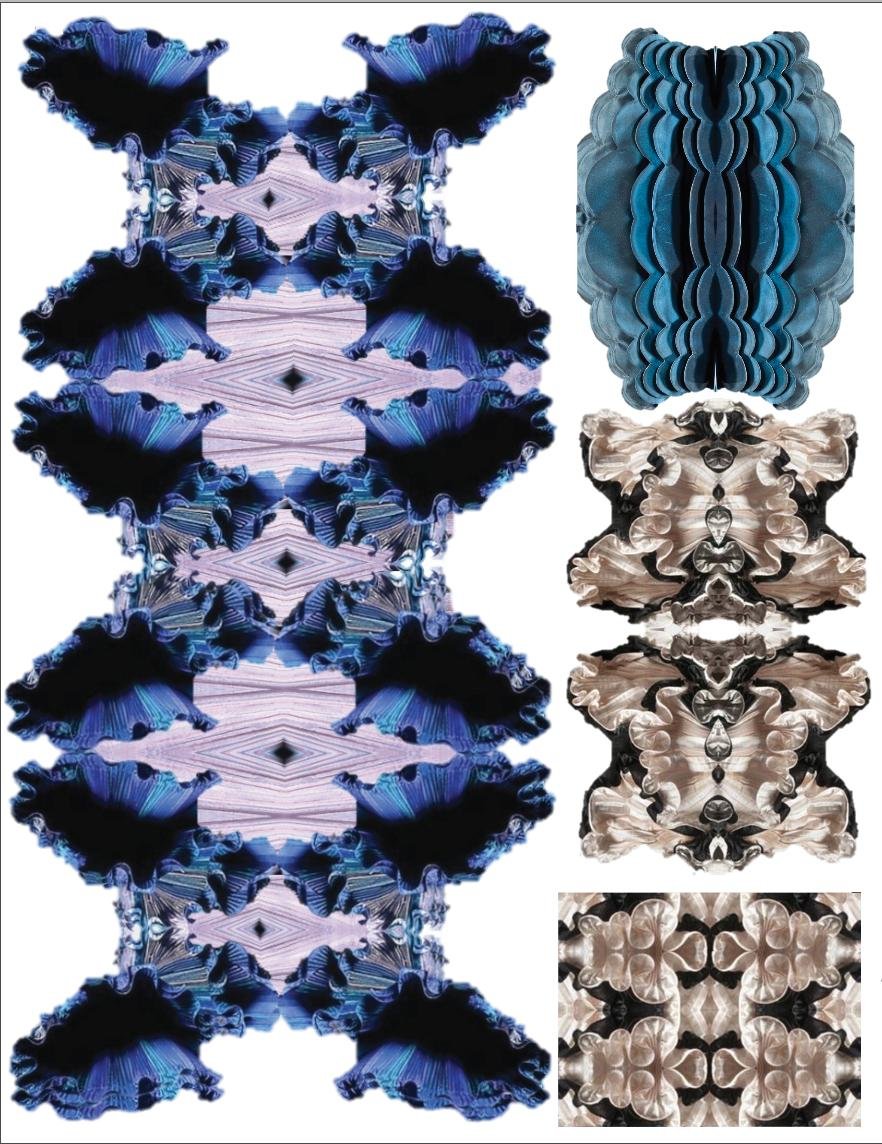
Ideas are refined through digital exploration, sketching, and initial pattern work. I develop color palettes, experiment with geometric and organic forms, and begin testing pattern repeats and variations using design software.
Key Activities
- • Digital pattern creation
- • Color palette development
- • Pattern experimentation
- • Repeat and scale testing
- • Technical drawing & illustration
Pattern Making & Technical Development
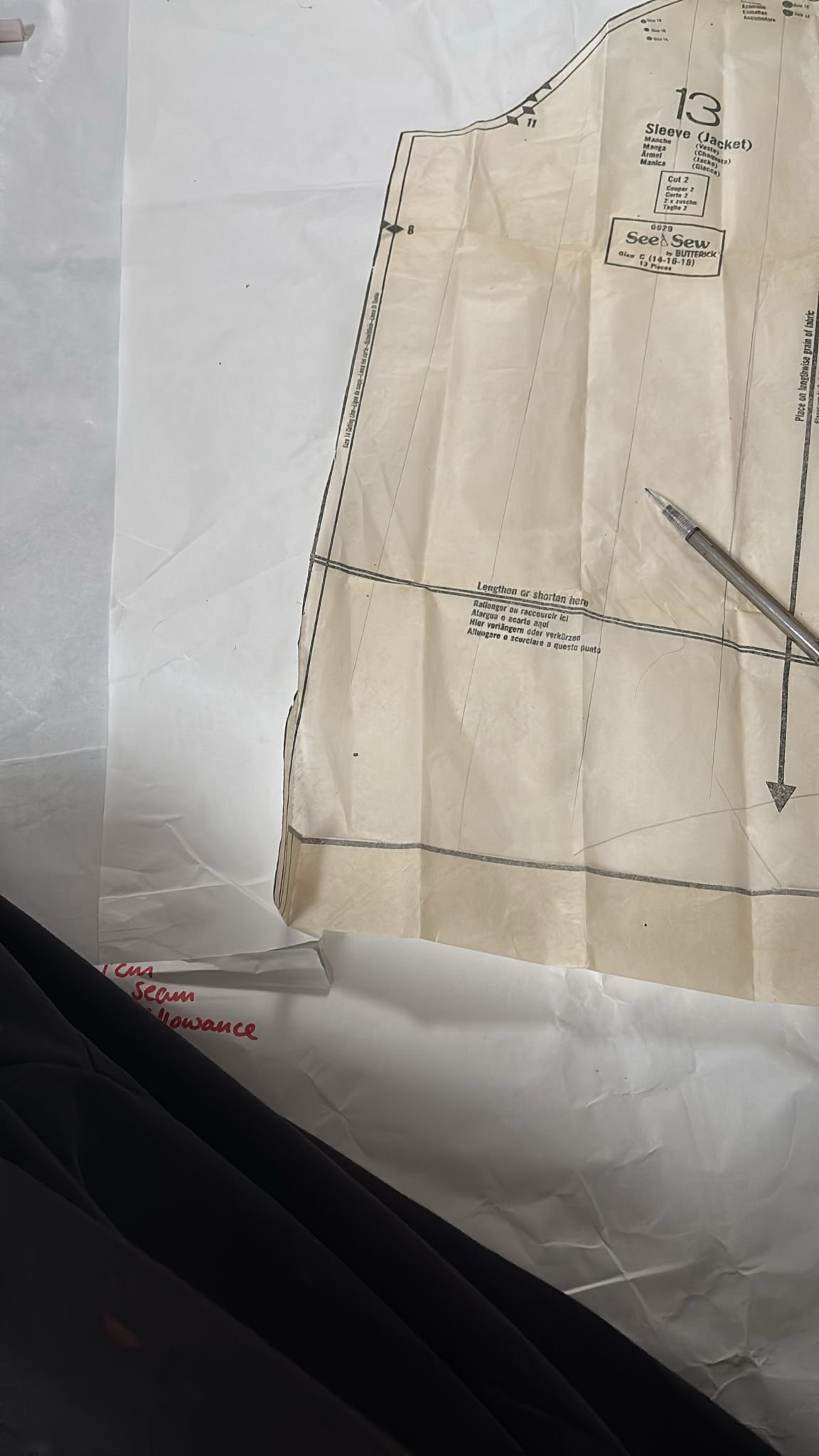
Garment patterns are drafted and refined to achieve the desired silhouette and fit. This technical phase involves precise measurements, toiles (test garments), and pattern adjustments to ensure construction accuracy.
Key Activities
- • Pattern drafting from measurements
- • Toile creation and fitting
- • Pattern grading and adjustments
- • Seam allowance planning
- • Technical specifications
Sustainable Textile Processing
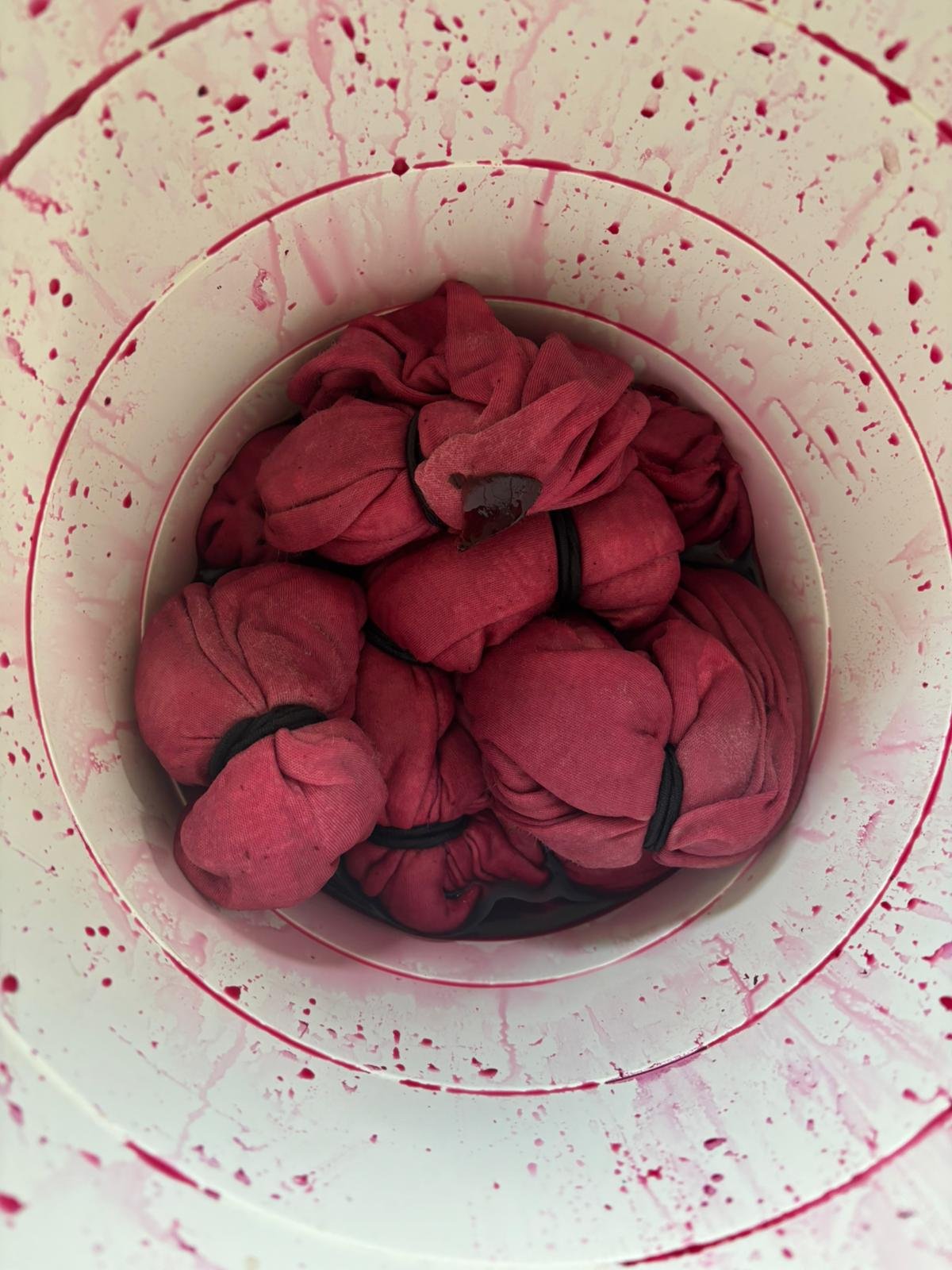
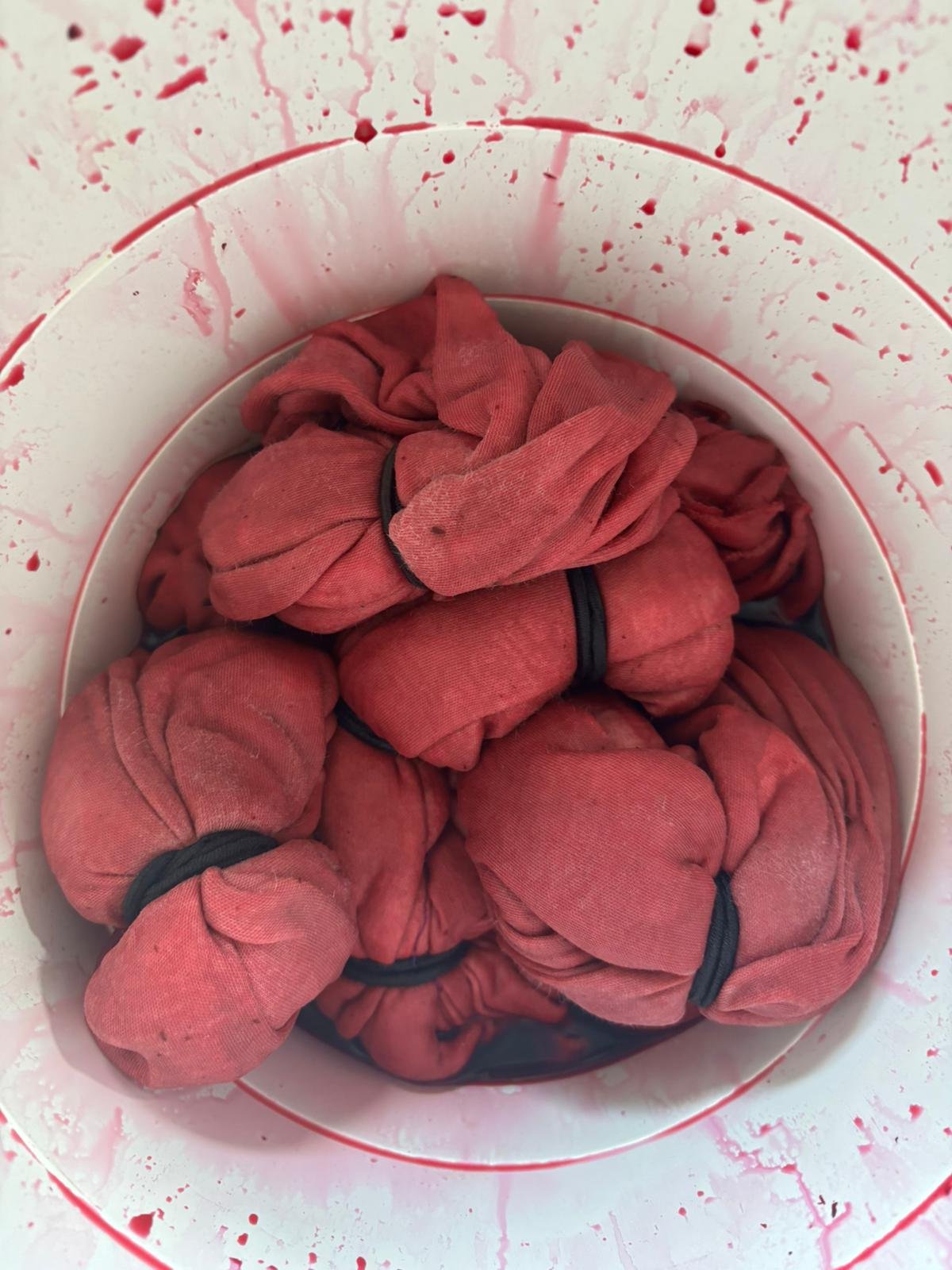
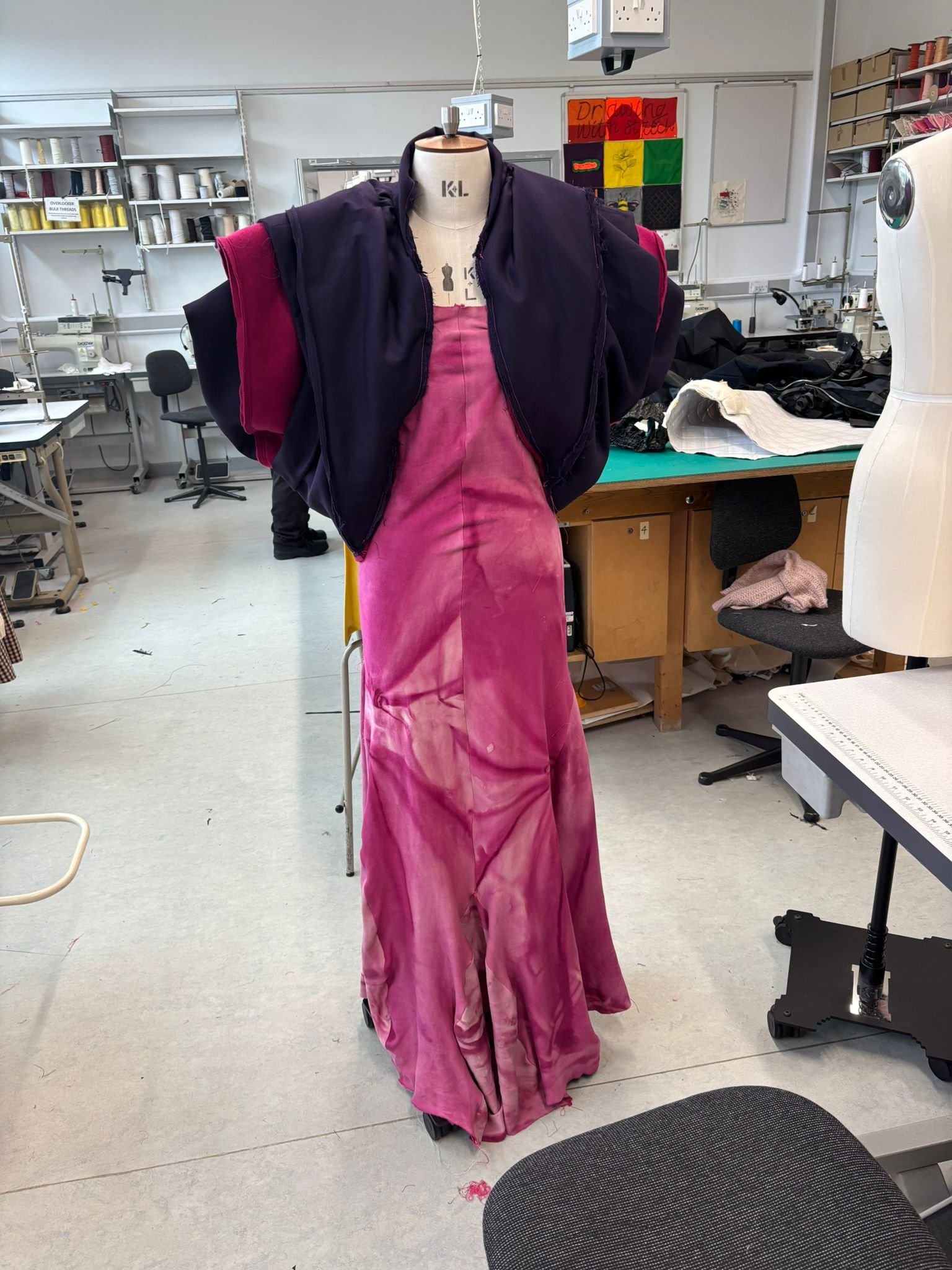
I explore sustainable dyeing techniques using natural materials such as beetroot to achieve rich, organic colors. This process demonstrates a commitment to eco-friendly practices and experimental textile manipulation.
Natural Dyeing with Beetroot
- • Natural beetroot dye preparation
- • Fabric pre-treatment & mordanting
- • Controlled dyeing process
- • Color fastness testing
- • Achieving deep pink/red hues
Iteration & Refinement
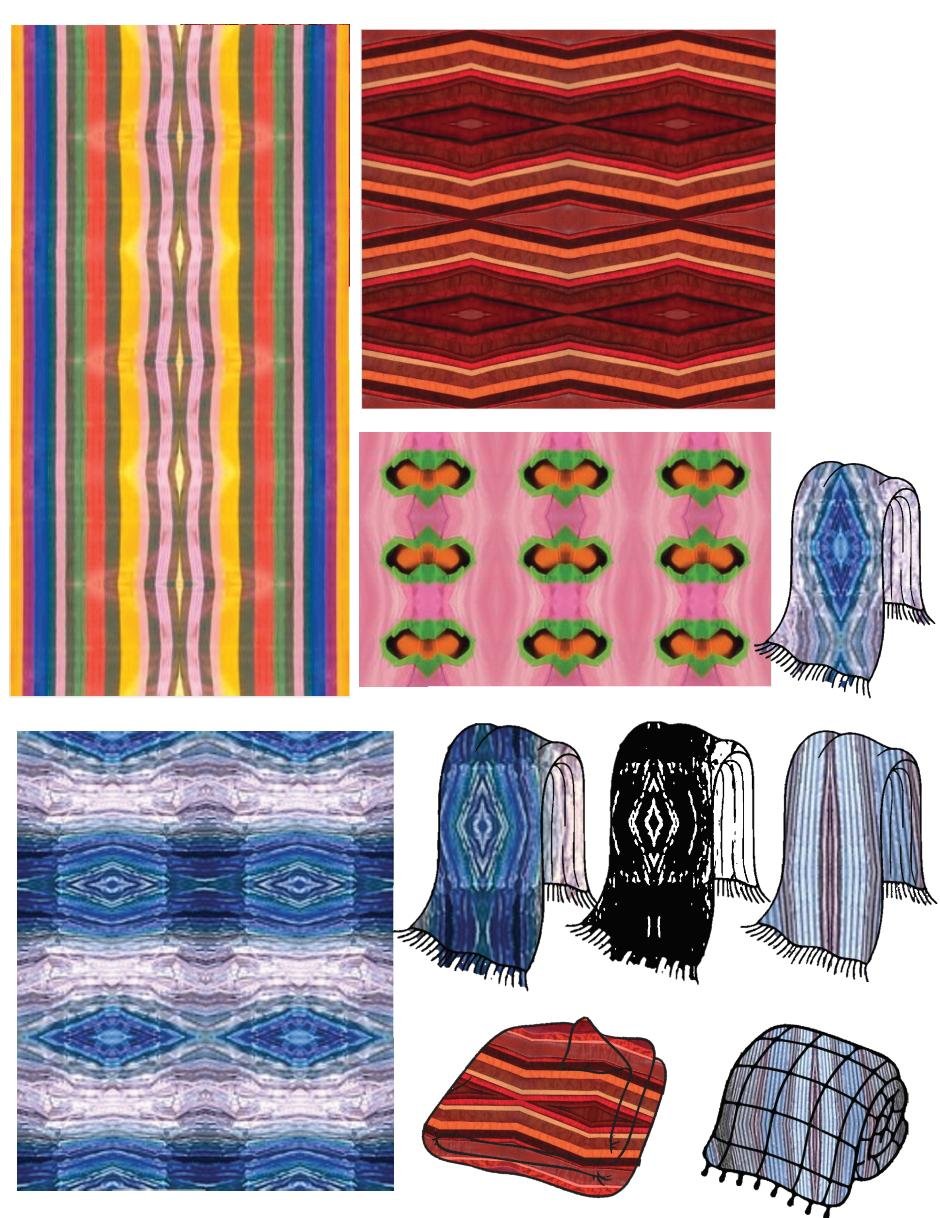
Multiple variations are created to explore different colorways, scales, and applications. This iterative process helps refine the design and solve technical challenges before final production.
Key Activities
- • Multiple colorway development
- • Pattern scale testing
- • Application mockups
- • Technical problem-solving
- • Peer review and feedback
Final Application & Construction
Refined designs are visualized on final products and garments are constructed. Product mockups demonstrate how patterns work in real-world contexts, whether rugs, garments, or other textile applications.
Key Activities
- • Product visualization
- • Garment construction
- • Application mockups
- • Production planning
- • Final presentation
- • Documentation
Skills & Expertise
Design Software
- Adobe Photoshop
- Adobe Illustrator
- Adobe InDesign
- CAD Textile Design
Textile Techniques
- Natural Dyeing (Beetroot)
- Digital Printing
- Screen Printing
- Hand Weaving
- Embroidery
Fashion Construction
- Pattern Cutting
- Draping
- Tailoring
- Garment Construction
- Zero-Waste Design
Materials Knowledge
- Sustainable Textiles
- Organic Fibers
- Recycled Materials
- Natural Dyes
- Smart Fabrics